

World of Warcraft has a storied history, filled with expansions that have shaped the gaming landscape. Each re-release of an expansion, whether it’s the classic Vanilla, The Burning Crusade, or Wrath of the Lich King, brings a wave of nostalgia that sweeps players back into the game. However, this sparkles with excitement often fades faster than anticipated. Understanding the psychological and gameplay elements at play can shed light on this phenomenon, examining why the thrill of revisiting old content can quickly turn into a cycle of fleeting interest.
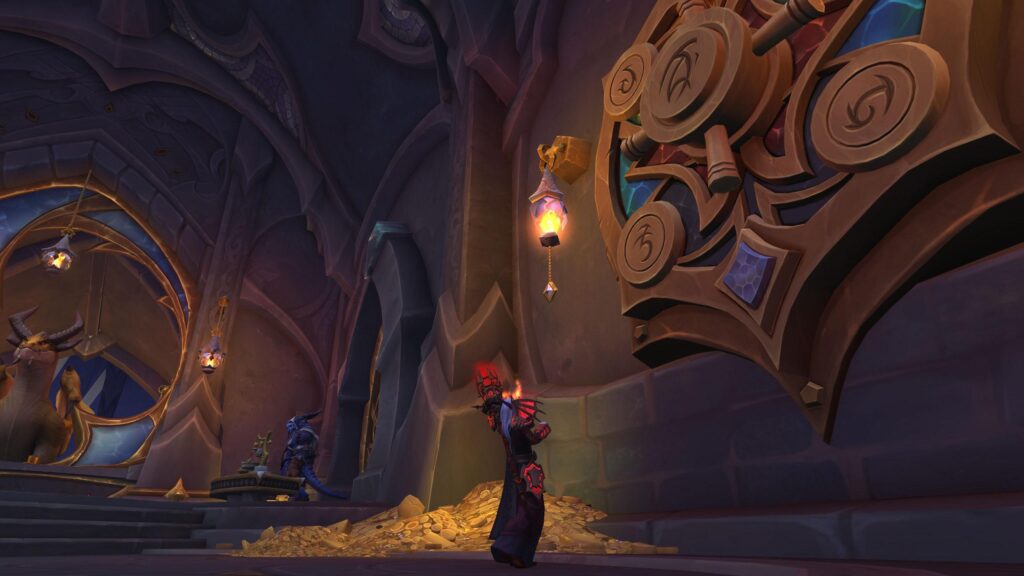
The Allure of Nostalgia
Nostalgia plays a pivotal role in the gaming experience, particularly within MMORPGs like World of Warcraft. Players often reminisce about the moments that defined their early gameplay: the camaraderie of guild raids, the thrill of first-time encounters, and the sense of accomplishment from grinding to max level. This emotional attachment generates a rush of excitement whenever a classic expansion is re-released. However, as players dive back into the familiar landscapes, they often find that the mechanics, gameplay pace, and community dynamics have shifted considerably since their first experience, leading to a dissonance between expectation and reality.
| Expansion | Release Date | Peak Players | Current Popularity |
|---|---|---|---|
| Classic | August 2006 | 12 million | Fading |
| The Burning Crusade | January 2007 | 11 million | Moderate |
| Wrath of the Lich King | November 2008 | 12 million | High |
| Cataclysm | December 2010 | 12 million | Low |
The Gameplay Experience
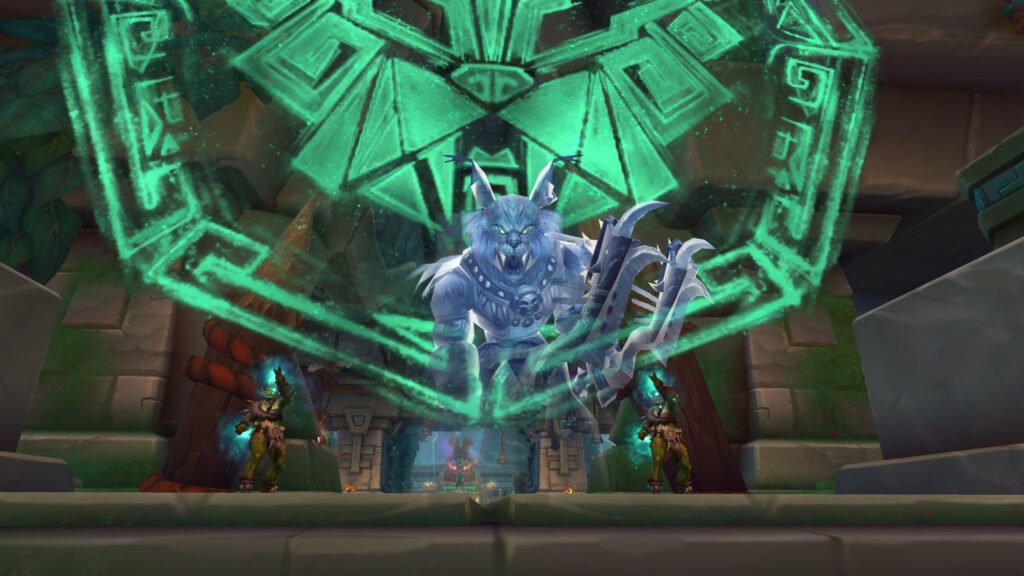
When players return to a re-released expansion, they often face the challenge of adapting to outdated mechanics and the community’s evolving meta. The thrill of leveling through nostalgic zones can quickly give way to the realities of modern gameplay. New players may struggle to grasp established strategies and the social dynamics within guilds, while veterans might find the current gameplay experience lacking in the depth they once cherished. This results in a cycle where excitement peaks shortly after launch but quickly levels off as players realize that the core experience has not retained its original allure.
- Increased reliance on external tools for raid coordination.
- Changes to class balance and abilities that affect gameplay style.
- Shift in player expectations regarding loot and rewards.
- Community fragmentation due to the influx of new players.
Conclusion: The Cycle of Re-Release
Ultimately, the cycle of excitement and subsequent fading interest in re-released expansions is driven by the interplay of nostalgia and evolving gameplay dynamics. While the initial rush is fueled by emotional connections and fond memories, the reality of modern gaming often clashes with these expectations. Players may find themselves quickly moving on to the next expansion or game, perpetuating a cycle where each re-release sparkles briefly before succumbing to the inevitable fade. Understanding this cycle can enhance the appreciation of World of Warcraft’s rich history while providing insight into the future of MMORPG experiences.
Leave a Reply